Most drivers don’t examine their windshield until eventually a rock jumps up on the limited-access highway and etches a bull’s‑eye into their line of sight. Then the scramble starts off. Do you name your insurer, lookup an auto glass retailer, anticipate a cell car glass service, or attempt to force with a celeb crack till the weekend? Somewhere in that rush you’ll be asked a key query: do you wish OEM glass or aftermarket? The resolution impacts safe practices structures, street noise, resale value, and how your vehicle feels at 70 mph. It also touches your pockets.
I’ve spent sufficient time round vehicle glass alternative crews and calibrations bays to understand where the problematical elements conceal. The difference among a delicate setting up and a string of callbacks characteristically comes down to specifying the excellent glass and listening to tips that don’t reveal up on a common “windshield replacement” line object. Here is the lived‑in variant of why OEM glass subjects, where aftermarket will probably be flawlessly tremendous, and the way to inform the difference for your precise motor vehicle.
What OEM Actually Means, and Why People Mix It Up
OEM stands for fashioned gear producer. It’s glass made to the same standards and tolerances the vehicle had while it rolled off the assembly line. Sometimes the OEM pane is made by way of the equal service provider that made your manufacturing unit windshield, etched with the automaker’s emblem and DOT number. Other times it’s made with the aid of an authorized accomplice by way of the comparable tooling and spec, simply devoid of the branded emblem. That’s a gray location that confuses patrons, due to the fact that loads of aftermarket glass also comes from huge names within the industry. The distinction isn’t just the call on the corner. It’s the stack of tolerances, the optical distortion thresholds, the acoustic interlayer, and the brackets and frit patterns baked into the glass.
If you’ve ever driven a vehicle after an auto glass alternative and spotted a wavy shimmer within the distance, that’s optical distortion from the lamination or curvature being rather off. On a clean day it’s annoying. Under night rain with oncoming headlights, it’s fatiguing. OEM spec attempts to scale back that, now not simply to save drivers joyful however additionally on account that present day safe practices techniques count on the windshield to be optically accurate.
The Windshield Is Now a Sensor Housing, Not Just a Pane of Glass
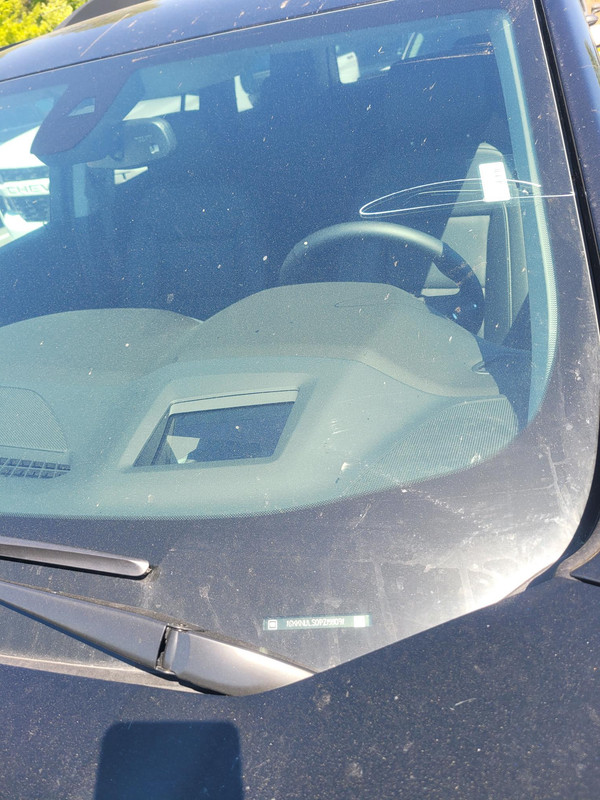
The biggest difference within the remaining decade is what lives on and around the glass. Lane holding cameras peer through a exact wedge of windshield. Rain sensors study refraction. Head‑up screen gadgets project velocity and navigation onto a slender sweet spot. Some trucks mount antennas, thermal facets, and gentle sensors in the glass sandwich. On one hybrid we labored on, the major band incorporated infrared‑reflective fabric for cabin cooling, and swapping to the incorrect glass additional 10 to 15 levels to the cabin on warm afternoons.
If your vehicle has ADAS, a windshield repair or full windshield substitute is not very simply “do away with, set, seal.” The camera would have to be recalibrated after deploy. Calibration is usually static, dynamic, or each, based at the automaker. The calibration assumes that the digital camera sees by means of a window with identified optical conduct. If the glass geometry or distortion map differences, the components would possibly calibrate however float on the motorway. I’ve noticeable automobiles chase lane lines prime to bottom after a alternative with glass that technically fit Fort Mill windshield repair the body however didn’t fit the optical spec. OEM glass, or real OE, helps to keep that probability low and makes post‑install calibration sooner and extra solid.
There are exceptions. Some aftermarket panes, rather from desirable‑tier makers, in shape OE spec intently ample that calibrations whole cleanly. On mid‑cycle items devoid of HUD or IR coatings, which you can be first-rate with high quality aftermarket. Still, in case your motor vehicle has a HUD, heated wiper park, photo voltaic or acoustic interlayer, or a camera cluster the dimensions of a deck of playing cards, you’ll sense the big difference between close to desirable and precisely proper.
The Hidden Work: Curvature, Frit, and Brackets
A windshield isn't flat. It’s a compound curve bonded to a body that flexes. The ceramic frit, the black border you spot, serves as UV insurance plan for the urethane adhesive and ceaselessly masks wires and sensor mounts. In many vehicles the frit trend is relatively distinct between trims. I’ve noticeable a base‑kind frit depart a millimeter hole at the sensor bracket when installed on a top rate trim, which regarded minor in the shop and changed into ghost reflections at night.
Brackets topic too. The gel p.c. for the rain sensor wants a selected compression. The digital camera housing snaps into tabs with explained angles. If these brackets are a hair off, the tech has to improvise. Shims and adhesive tape aren't an extended‑term repair in excessive warm. OEM glass generally comes with an appropriate bracket pre‑implemented in the perfect region. Some aftermarket glass requires transferring hardware from the ancient windshield. If the old bracket cracks all the way through removal, the mission pauses at the same time as the store resources a new area. That’s not an indictment of aftermarket glass, only a reminder that point, probability, and exertions exchange with the component collection.
The Safety Piece No One Sees: Urethane and Curing Time
Sideload crashes rely on the windshield staying bonded to the body. In a rollover, the windshield enables the roof resist crushing. The adhesive is structural. A suitable auto glass retailer makes use of high‑modulus, OEM‑accepted urethane and units a nontoxic power‑away time depending on temperature and humidity. If you’ve ever had a tech insist which you won't drive for an hour or two, they’re no longer being challenging. They are guarding your safety and their liability.
This ties returned to glass collection in two methods. First, correct healthy and curvature enable even adhesive bead touch. A slightly off curve can go away a thin phase, which would seem pleasant except the car hits a pothole and a corner pops. Second, a few superior coatings require selected primers. OEM documentation spells that out, and authentic shops practice it. Cutting corners right here saves mins and prices dearly if a leak develops or, worse, the glass shifts for the time of a the front airbag deployment.
Noise, Heat, and Daily Comfort
Not every big difference exhibits up on a spec sheet. Acoustic laminated windshields use a amazing interlayer that damps road and wind noise. On lengthy commutes this things. We changed a cracked windshield on a overdue‑type luxurious sedan with an oem pane that wasn’t classified “acoustic.” The vehicle left the bay quality. A week later the owner got here again complaining that the automobile sounded “hollow” at 60 mph. He used to be precise. A decibel meter showed a 2 to 3 dB develop. That may well sound small until eventually you are living with it for 10 hours per week. We swapped to the OEM acoustic glass and the cabin again to the muted tone the proprietor had paid for.
Thermal coatings and solar control make a big difference as effectively. Parked in the sunlight, IR‑reflective glass maintains dash surfaces cooler and decreases HVAC load. If you are living in Phoenix or Orlando, a mismatched windshield can transform steady fan roar and a sweaty first 10 minutes of each power.
Insurance: What They Approve and How to Ask
Policies differ. Many insurers default to “like variety and high quality.” That can imply aftermarket except the auto is new sufficient, the car or truck has ADAS that requires OEM, or the coverage particularly endorses OEM ingredients. I’ve had claims where the provider first of all legal aftermarket, then switched to OEM after we documented the HUD and digital camera setup. It supports to be suitable. State the precise beneficial properties: head‑up demonstrate, acoustic interlayer, rain and mild sensors, lane camera, heated wiper park. Ask the store to consist of those in the materials request.
Sometimes insurers are excellent with “OEM identical” from the fashioned glass enterprise yet without the automaker emblem. That’s as a rule appropriate if the half quantity suits the OE spec. On uncommon fashions the merely practicable desire is dealership glass resulting from targeted coatings or brackets. Expect bigger expense and a number of more days for logistics. If you convey glass insurance with a small deductible, pushing for the perfect element is value the decision or two it takes.
The Repair‑or‑Replace Decision
Before swapping glass, first rate shops evaluation even if a windshield repair will do. A small chip open air the driver’s sightline can also be stuffed with resin in half-hour and maintain for years. If the smash radiates to the threshold or sits in front of the camera’s trail, replacement is more secure. Resin has come an extended way, however it doesn’t restoration complete force or optical clarity. For auto window restore on part glass, substitute is the simply direction, on account that tempered glass shatters into pellets.
Mobile automobile glass service is easy and reliable for sincere jobs. They can restore such a lot chips in a driveway and comprehensive a typical windshield substitute in a pair hours. ADAS calibration complicates cellular paintings. Some techniques enable dynamic calibrations on the line, which mobile teams can handle. Others require a static goal board in a controlled bay. A authentic supplier will tell you which ones applies on your auto in preference to guessing. If your automobile demands a static calibration, plan for an in‑shop seek advice from or a observe‑up appointment.
When Aftermarket Makes Sense
Aftermarket isn’t a dirty notice. Plenty of regular windshields, specially on older or base fashions devoid of sensors or HUD, are flawlessly served by way of prime‑quality aftermarket glass. Availability is turbo, check is minimize, and you still get a clean installation. I retain a mental rule of thumb. If the auto has no ADAS camera, no HUD, and no different acoustic or IR specs, aftermarket is steadily excellent. If any of those elements are existing, I lean OEM or OE‑equal and price range for calibration.
There are area circumstances. Some aftermarket phase numbers record the excellent positive aspects yet arrive without a principal bracket or with a frit that doesn’t quilt the bonding area exactly. Good department stores trap this sooner than pulling your historic glass. Less careful outfits find it mid‑job and then make do. The distinction between a joyful consumer and a headache isn’t the word “aftermarket,” it’s regardless of whether the part accurately matches the build sheet and the shop refuses to drive a more healthy.
What A Careful Installation Looks Like
You can’t watch each step, yet you can still identify a technician who cares. The cowl comes off cleanly, wipers are marked for customary position, and the antique urethane bead is trimmed to a uniform thickness in place of gouged right down to painted metal. Primers and activators are utilized with wait instances revered, not rushed. The new glass gets dry‑in good shape to be certain alignment. On ADAS motors the camera mount is inspected and cleaned, the gel pad is replaced if required, and cables are routed with out sharp bends.
After set, the tech checks for even reveal around the perimeter and reattaches clips instead of riding common fasteners. You’ll hear a clean reliable pressure‑away time and any wonderful recommendations. On a suited task, there aren't any wind whistles at 50 mph, no A‑pillar creaks over velocity bumps, and no damp carpet after a rain. If you do get a whistle or drip, call the store. Reputable teams will reseal or modify with out argument.
Real‑World Examples From the Bay
Two situations stay with me. The first in touch a compact SUV with lane centering and a narrow digital camera discipline of view. The owner went for a budget windshield alternative at a store that didn’t present calibration. The camera pale stayed on. The trader spent part a day attempting to calibrate and suggested “vision now not learned.” We measured distortion and noticed approximately 1.five diopters within the camera route at the accurate edge. That’s small, yet adequate to shift lane lines on a forward‑dealing with digital camera. We mounted OEM glass and completed calibration in a single cross. The big difference check a few hundred dollars and a further day, but the proprietor went from a continually lit sprint to a quiet go back and forth.
The moment case become a luxury sedan with a cracked windshield and a head‑up demonstrate. Aftermarket glass with HUD compatibility arrived fast, and the area appeared properly. The owner lower back with court cases that the speed readout became doubled. That ghost was a projection alignment subject from a somewhat extraordinary PVB interlayer. We ought to make it practically wonderful via adjusting the HUD unit, however “well-nigh good” becomes eye strain over time. OEM glass mounted it.
On the opposite cease of the spectrum, we’ve mounted aftermarket glass on paintings vehicles for fleet prospects for years with 0 bother. No cameras, no HUD, simply robust laminated panes, and that they dangle up. Context concerns.
Balancing Cost, Time, and Quality
If your funds is tight or the car is older, high quality aftermarket glass from a good maker is a reasonable preference. Ask your keep which manufacturers they belif and why. If your vehicle has improved options, weigh the total money, no longer just the pane. That contains ADAS calibration, ability callbacks, and the magnitude of cabin quietness. A $200 reductions that becomes two return visits isn't really a mark downs.
For those planning to promote soon, OEM glass can assist prevent the texture of the car aligned with consumer expectancies. Savvy shoppers realize HUD readability, wind noise, and whether ADAS signs behave. It’s now not approximately showing a logo at the corner, it’s about the experience right through a try out drive.
How to Talk to Your Shop Without Getting Lost in Jargon
Shops appreciate expert customers who aren’t simply cost looking. Be concise and specific approximately your car or truck and wishes. Here’s a hassle-free, 5‑level tick list to convey to any vehicle glass restoration or car glass substitute seek advice from:
- Provide the precise yr, make, model, and trim, plus any recommendations like HUD, lane support, rain sensor, and heated wipers. Ask whether or not the advised glass is OEM, OE‑similar, or aftermarket, and ascertain incorporated positive factors like acoustic interlayer or photo voltaic coating. Confirm regardless of whether your motor vehicle calls for ADAS calibration, and if the shop performs static, dynamic, or equally, and wherein. Request the protected pressure‑away time and any weather restrictions after installing. Clarify guaranty terms for leaks, wind noise, and optical defects, and how they cope with callbacks.
Keep that listing handy. It keeps the verbal exchange productive and makes it gentle for a hectic carrier publisher to reserve the appropriate parts the primary time.
Side and Rear Glass: A Different Playbook
When worker's hear auto window fix they most often imply edge and lower back glass. Those portions are typically tempered, now not laminated. They shatter into crystals with the aid of layout for occupant safe practices. There is not any restoration for a shattered area window. Car window glass replacement is easy in most situations, and aftermarket is fashionable on account that there are fewer sensors interested. The predominant aspect to monitor for is tint suit and embedded antenna or defrost grids on rear glass. On a few hatchbacks the defrost connector attitude varies by construction run. OEM rear glass avoids surprises there. If your motor vehicle uses laminated facet glass for theft or noise relief, which a few luxurious fashions do, verify for the acoustic selection simply as you'd the windshield.
Mobile Versus In‑Shop: Picking the Right Setting
Mobile automobile glass carrier shines while your agenda is packed or the motor vehicle is simple. For many windshield fix jobs, a driveway or place of job lot works effective. For problematical motors, indoor bays make existence simpler. Temperature and dirt regulate upgrade adhesion and hold contaminants out of the bond line. If the store indicates in‑save deploy in your motor vehicle, they’re not upselling. They would like controlled conditions for a more suitable seal and an precise calibration. I’ve watched dynamic calibrations fail in heavy traffic due to the fact the process could not whole its analyze cycle. In a quiet industrial park at mid‑day, the related automobile calibrated in fifteen minutes.
Picking an Auto Glass Shop You Can Trust
The top of the line predictor of a easy job is repetition. A retailer that continuously replaces glass to your make and year is aware the susceptible clips and the trim that snaps if twisted unsuitable. They recognize which rain sensor pads in truth suit and the way lengthy to wait ahead of a calibration. Look for technicians with certifications, however additionally ask pointed questions: which manufacturers of urethane do you use, and what’s the protected force‑away time at immediately’s temperature? Do you dry‑have compatibility or cross directly to set? If they give crisp answers and aren’t bothered by means of the questions, you’ve in all likelihood chanced on a keeper.
A correct retailer can even provide immediately suggestions on when OEM glass issues and while you may keep funds with aftermarket. They’ll steer you faraway from overpaying for a day by day driver without tech and could insist on OEM whilst your ADAS kit calls for it. That judgment comes from lots of of windshields, now not a script.
The Quiet Payoffs of Getting It Right
A windshield looks like a commodity till you pressure behind person who’s somewhat fallacious. OEM‑spec glass preserves the manner your automobile feels on the road. Steering stays settled simply because lane assist isn’t hunting. Night drives result in much less eye strain. Rain sensors sweep when they need to. The sprint stays cool in summer. You don’t place confidence in the windshield, which is the very best compliment you might supply a substitute.
Whether you walk into an automobile glass shop or booklet a cellphone team, procedure the job like some other precision service. Match the side to the car or truck’s services. Respect the adhesive and calibration steps. Decide the place aftermarket is sensible and in which OEM earns its fee. That’s the way you ward off the wavy shimmer, the ghosting HUD, and the sensor pale that received’t turn off, and finally end up with a clear, quiet pane that disappears into the drive.